What Are Air Cooled Condensers?
An air cooled condenser is a type of heat exchanger commonly used in HVAC systems, refrigeration, and industrial applications. Instead of using water for cooling, it utilizes ambient air to remove heat from refrigerant gases. This system is particularly advantageous in regions where water resources are scarce.
Core Components
- Finned tubes to increase heat transfer area
- Cooling fans to move ambient air
- Refrigerant coils carrying the hot gas
- Steel or aluminum housing for durability and protection
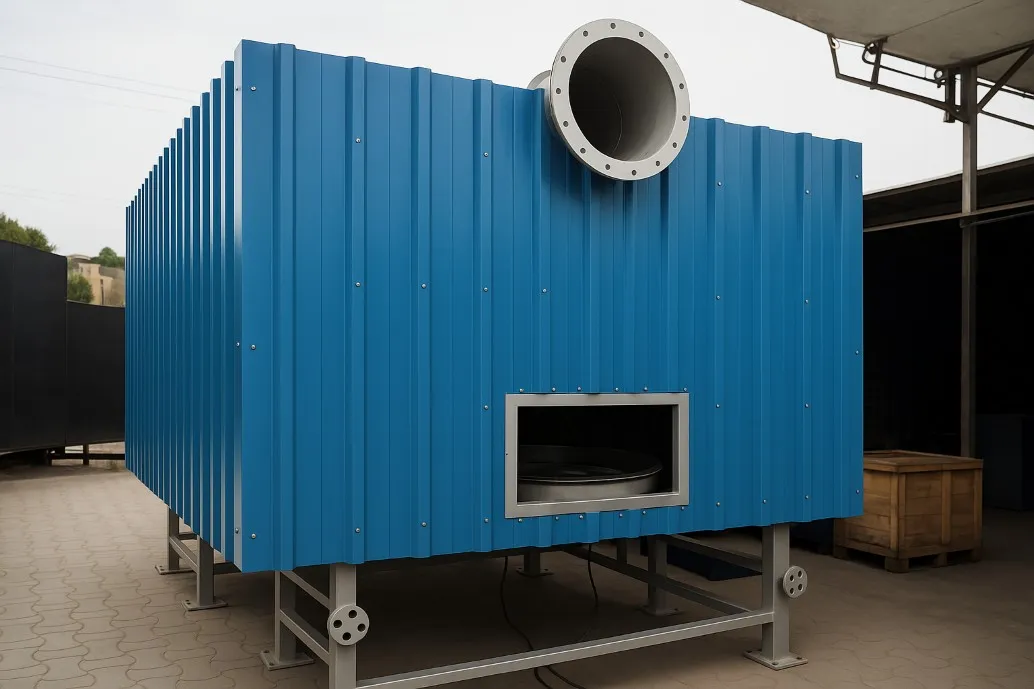
How Air Cooled Condensers Work
Working Mechanism
Air-cooled condensers dissipate heat from the refrigerant by transferring it to the surrounding air, facilitating the cooling process. The refrigerant gas enters the condenser, releases its heat as it passes through the coils, and condenses into a liquid.
Thermodynamic Principles
At its most basic level, the principle asserts that heat always transfers from warmer to cooler regions. Fans increase airflow, speeding up the process. Since no water is involved, it's considered a dry cooling method.
Types of Air Cooled Condensers
Forced Draft Condenser
Fans blow air across the coils from the front. It's efficient for small to medium-sized systems and is often mounted horizontally.
Induced Draft Condenser
Fans are located behind the coils, pulling air through. Optimized for bigger industrial operations, it provides better handling of airflow dynamics.
Key Advantages of Using Air Cooled Condensers
- Energy Efficiency: Reduced reliance on pumps and water treatment systems
- Environmental Benefits: Zero water usage lowers ecological impact
- Lower Water Consumption: Ideal for drought-prone or water-regulated areas
Limitations of Air Cooled Condensers
- Heat Dissipation Limits: Less effective in very hot climates
- Noise Levels: Fans may generate noticeable sound, requiring dampening solutions
Applications of Air Cooled Condensers in Industry
- HVAC Systems: Used in residential and commercial air conditioning
- Power Plants: Essential for cooling turbines and generators
- Refrigeration Systems: Ideal for cold storage, logistics, and supermarkets
- Ambient Conditions: Performance depends on temperature and humidity
- Material Selection: Aluminum or copper for durability and conductivity
- Space and Installation: Needs more space but simpler to install
Maintenance and Troubleshooting
Cleaning Practices
Dust and debris must be regularly removed from coils and fans to maintain performance.
Common Issues and Fixes
- Fan motor failure
- Coil clogging
- Refrigerant leaks
Routine inspections help prevent costly breakdowns.
Air Cooled vs. Water Cooled Condensers
| Feature |
Air Cooled |
Water Cooled |
| Cooling Medium |
Ambient Air |
Water |
| Installation Cost |
Lower |
Higher |
| Maintenance |
Easier |
Complex |
| Water Usage |
None |
High |
| Best for |
Dry Climates |
Large-scale Industrial Use |
Future Trends in Air Cooled Condenser Technology
- Smart Monitoring Systems: IoT sensors for real-time diagnostics
- Material Innovation: New coatings and alloys for improved efficiency
Installation Costs
Generally lower since no water piping or cooling towers are required.
Operating Costs
Lower due to minimal maintenance and zero water bills.
Environmental Impact and Sustainability
- Eco-Friendly Refrigerants: Natural options like CO₂ or ammonia
- Reduced Carbon Footprint: No water usage, lower energy consumption
Choosing the Right Air Cooled Condenser
- Sizing Requirements: Must match thermal load
- Manufacturer Reputation: Choose proven, supported brands
Top Manufacturers
- Trane
- Carrier
- York (Johnson Controls)
- Daikin
- Kelvion
Step-by-Step Process
- Choose an open, well-ventilated site.
- Mount the condenser securely on a level base.
- Connect refrigerant lines and electrical wiring.
- Test for leaks and performance.
Safety Measures
- Wear protective gear
- Ensure proper grounding
- Use certified technicians
Innovative Uses in Emerging Industries
Data Centers and Server Rooms
Air cooled condensers offer:
- Low water dependency
- Easy rooftop integration
- Quick adaptation to load changes
EV Charging Stations
Effective for thermal management of high-capacity charging systems without water-based cooling infrastructure.
Installation Best Practices
-
Site Location
- Ensure 2 feet of clearance on all sides
Avoid corrosive environments
- Secure Mounting
Use pads or concrete slabs
- Professional Electrical Setup
Certified electricians only
-
System Compatibility
- Refrigerant type
- Compressor model
- System pressure and flow rates
Preventive Maintenance Tips
Routine Checklist
| Task |
Frequency |
| Clean fan blades and housing |
Monthly |
| Inspect electrical connections |
Quarterly |
| Check refrigerant levels |
Bi-annually |
| Clean condenser coils |
Monthly during peak season |
| Lubricate fan motor (if required) |
Annually |
- ASHRAE Standards: U.S. energy and performance guidelines
- EU F-Gas Regulation: Refrigerant restrictions in Europe
- ISO Certifications: Environmental and safety standards
Retrofitting Existing Systems
Key Benefits
- Lower energy and water bills
- Reduced risk of corrosion and bacterial contamination
- Modular and scalable system options
Retrofit Steps
- Thermal load assessment
- Select compatible refrigerants
- Choose a condenser with matched capacity
- Consult HVAC professionals for integration
- Cold Storage – Arizona: 22% cooling cost reduction
- Textile Plant – India: 500,000 liters of water saved annually
Why Buy Air Cooled Condensers from United Cooling Systems?
At United Cooling Systems, we combine advanced engineering, quality materials, and reliable service
to deliver air cooled condensers that meet the demands of today's energy-efficient and water-conscious industries.
Key Reasons to Choose Us:
- Proven Performance: Our condensers are engineered for maximum thermal efficiency in tough environments.
- Custom-Built Solutions: Designed to fit your specific capacity, layout, and refrigerant requirements.
- Durable Materials: Built with high-grade aluminum, copper, and weather-resistant coatings for long-lasting performance.
- Low Maintenance: Easy-to-clean fin designs and robust fan motors reduce downtime and service costs.
- Industry Compliance: All units are ASME certified and meet global HVAC and refrigeration standards.
Whether you're upgrading an existing system or installing new infrastructure, our products deliver unmatched reliability and cost-efficiency.
Get in Touch
Air cooled condensers provide a highly efficient, low-maintenance, and environmentally friendly solution for cooling needs across various industries. As demand grows for sustainable and cost-effective solutions, these systems continue to evolve with smart features and improved materials. Selecting the right unit can lead to significant savings and long-term reliability.
Frequently Asked Questions (FAQs)
- What is the main purpose of an air cooled condenser?
To remove heat from refrigerant gases using ambient air.
- Are they suitable for hot climates?
Yes, with proper design and airflow.
- How often should I maintain it?
Every six months, more often in dusty conditions.
- Can I replace a water-cooled condenser with air-cooled?
Yes, with system adjustments and sizing.
- Are they noisy?
Some are, but modern models include noise-reducing features.
- Do they work with all refrigerants?
Most support R134a, R410a, ammonia, CO₂, and more.


